Corsica is windier than the postcard suggests — and on a crewed charter that is a feature you never have to manage. The Bonifacio strait is one of the Mediterranean’s famous wind funnels, the west coast takes open-sea swell, and the east coast is the calm side. Your captain plans around all three every single day; your job is choosing where lunch happens.
We write this guide because clients read about “the winds of Corsica” online and start worrying about the wrong things. Here is what the weather actually means for a charter week — from the client side of the deck.
The three winds worth knowing by name
The Mistral arrives from the northwest — France’s famous wind — and mostly matters on the west coast, where it builds swell against those dramatic cliffs. The Libeccio blows from the southwest and is Corsica’s most frequent summer wind, felt strongest around the island’s corners. The strait winds at Bonifacio are the local specialty: the gap between Corsica and Sardinia squeezes and accelerates whatever is passing through — which is why the strait is one of Europe’s best-rated kitesurfing spots and why crossings get timed rather than braved.
None of these are storms. They are patterns — and patterns are exactly what professional crews plan with.
What this means coast by coast
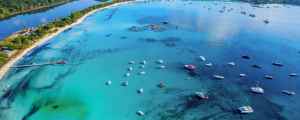
The east and south coasts are the sheltered side. Porto-Vecchio’s bays, Palombaggia, Rondinara, Santa Giulia — this is where the water goes glassy while the west coast is having a mood. It is no coincidence the south is where we send most families and most first-timers.
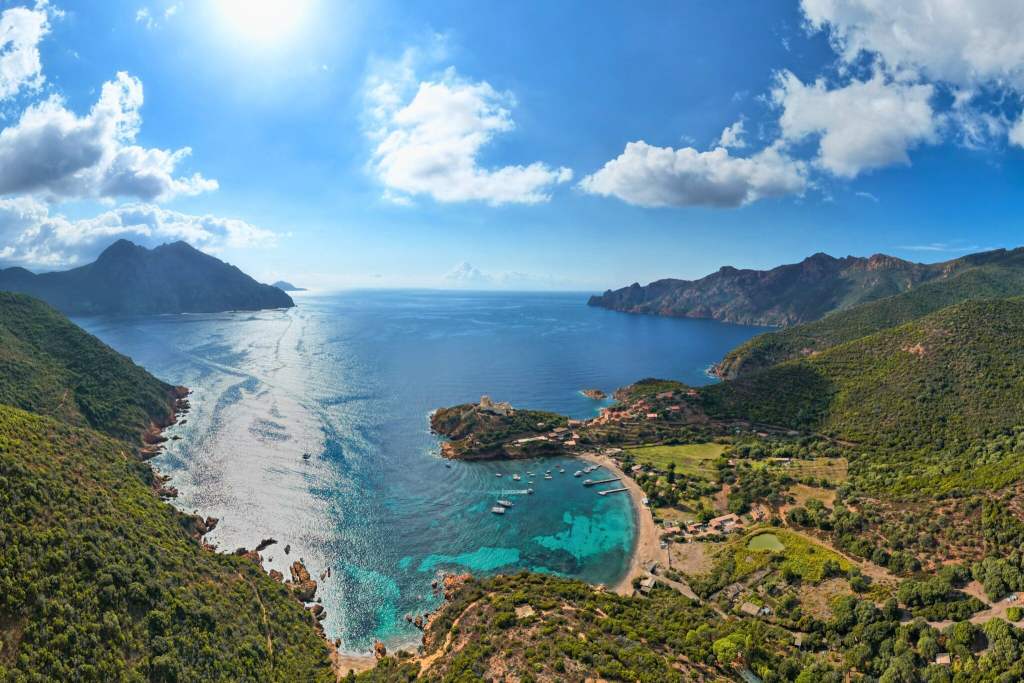
The west coast is the fair-weather masterpiece. Scandola, Girolata, the Calanques — the best scenery on the island, on the coast that needs the right window. In settled June or September weeks it delivers day after day; in unsettled spells your captain reshuffles, and the south picks up the slack. This is why we plan west-coast routes with a flexible day order rather than a fixed parade.
The strait is a timing exercise, not an obstacle. The crossing to La Maddalena is about 11 km at the narrowest. Your captain watches the forecast, picks the calm window — usually early morning — and it is over before the second coffee. We have crossed it hundreds of times with guests who never put their glass down.
Season matters more than luck
June through early September brings the most settled pattern: light thermal breezes, calm mornings, a predictable afternoon rhythm. The shoulder weeks — May, late September, October — are still charterable but throw more variety, which mostly means the west coast becomes less bookable in advance and the sheltered south becomes the reliable plan. If the wild west is the heart of your dream, aim for the settled months; our best-time guide goes month by month.
Why this is an argument for a crewed charter
Everything above is daily bread for a professional captain who works these waters. Reading the strait, knowing which bay goes flat when the Libeccio builds, re-sequencing three days so the west coast happens in its window — this is precisely the expertise you are chartering. Guests on our crewed yachts do not experience “wind planning”; they experience a week where the water always seemed to be calm wherever the boat happened to be. That is not luck.
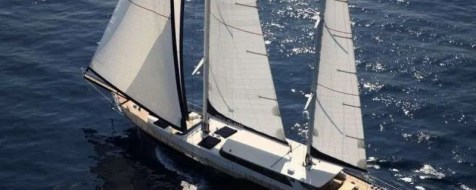
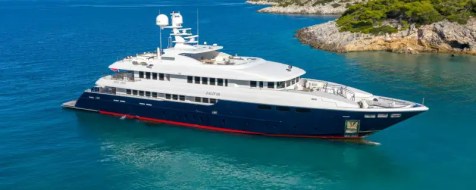
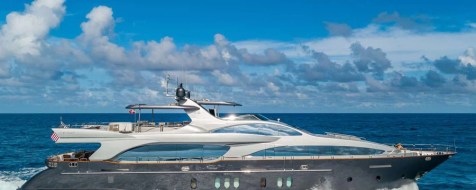
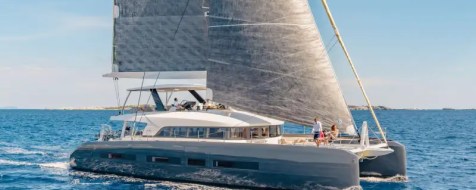
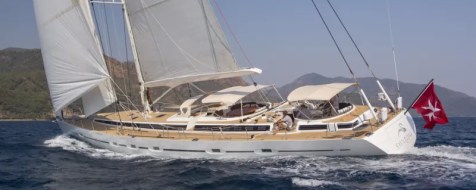
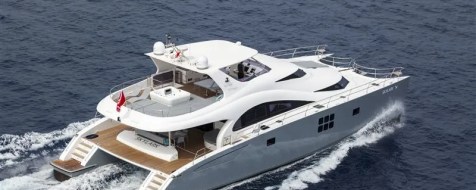
Yacht choice plays its part too: heavier motor yachts shrug off chop that a small sailboat feels, and a faster yacht can simply outrun a forecast — one more angle we weigh in the motor yacht vs catamaran decision.
Frequently asked questions
Will the wind ruin our charter week?
No. It shapes the route, not the week. The island always has a sheltered side, and your captain’s job is keeping you on it without you noticing the choreography.
Is the Bonifacio strait dangerous?
It is demanding water for amateurs and routine water for professionals — that is exactly the difference a crewed yacht buys. Crossings are timed for the calm windows and take under an hour.
Do people get seasick on Corsica charters?
Rarely, with a sensible route. Most cruising here is short daytime hops along the coast with nights in calm anchorages. Tell us if anyone in the group is sensitive and we will bias the route and yacht type accordingly — it is an easy problem to design away.
What happens if weather genuinely blocks a day?
The captain re-sequences and the day happens elsewhere — a market morning in town, the flat side of the island, a long lunch in a protected bay. Charters here almost never lose a day outright; they trade it.
Route-proof your week
Tell us your dates and what cannot be missed, and we will build the route two ways: the plan, and the plan-B your captain quietly carries. That second one is why our clients remember the wind as “perfect all week.”
Plan a weather-smart route with people who know which bay goes flat.







 iMessage
 WhatsApp